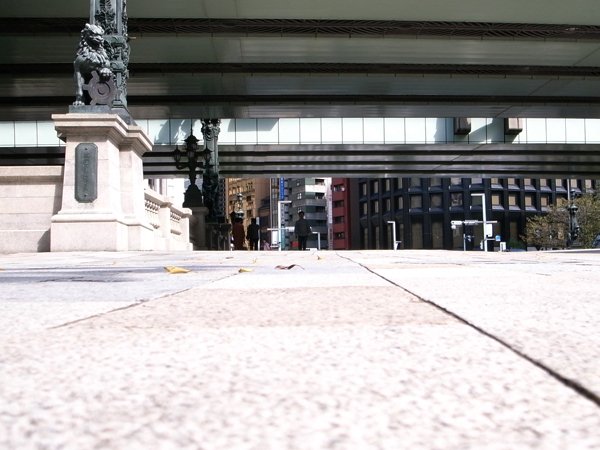
ST Nihonbashi
- Date:
- 2013.09.29 09:45
- Distance:
- 0km


The Nakasendo, also called the Kisokaido,was one of the five routes of the Edo period, and one of the two that connected Edo to Kyoto in Japan.
There were 69 stations between Edo and Kyoto, crossing through Musashi, Kōzuke, Shinano, Mino and Omi provinces.
In addition to Tokyo and Kyoto, the Nakasendō runs through the modern-day prefectures of Saitama, Gunma, Nagano, Gifu and Shiga, with a total distance of approximately 534 km (332 mi).
Unlike the coastal Tōkaido, the Nakasendō traveled inland, hence its name, which can be translated as "cntral mountain route" (as opposed to the Tokaido, which roughly meant "eastern sea route").
Because it was such a well-developed road, many famous persons, including the haiku master Matsuo Bashō, traveled the road. Many people preferred traveling along the Nakasendō because it did not require travelers to ford any rivers.
Around the beginning of the seventh century, during the beginning of Ritsuryo, the area that would eventually make up the Nakasendo was developed to connect Kinai (modern-day Kansai region, which included the former capital of Japan) with the provinces of the Tōsando (part of the gokishichido) that lie to the east.
In the early years of the Edo period, many political, legal, cultural and intellectual changes took place. Among them was the rejuvenation of Japan's thousand-year-old highway system. Five roads were formally nominated as official routes for the use of the shogun and the other daimyo and to provide the Tokugawa shogunate with the communications network that it needed to stabilize and rule the country.
Until the establishment of these formal trade routes, many shorter routes had existed, connecting towns over various distances. One such route was the Kisoji, which had all eleven post towns become part of the Nakasendo (from Niekawa-juku to Magome-juku).Prior to the Edo period, the route had been called both Sando and Tosando (eastern mountain route).
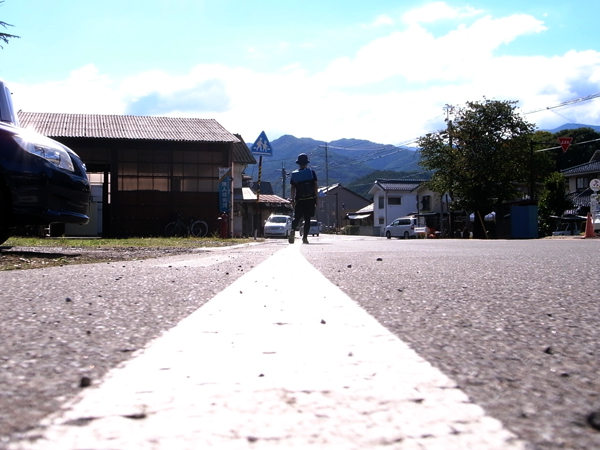
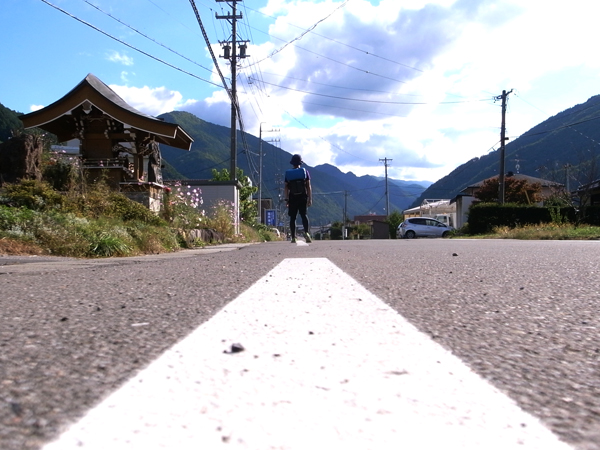
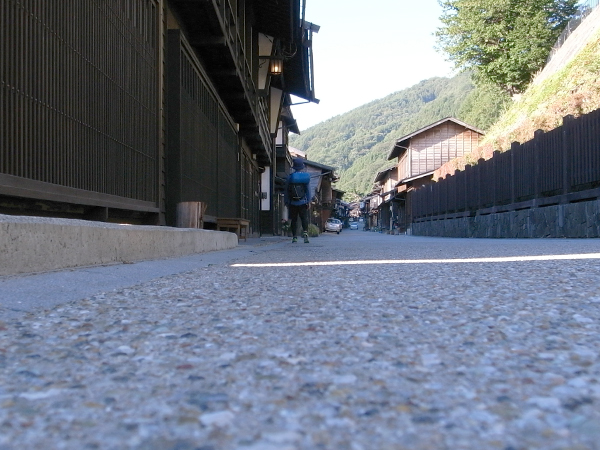
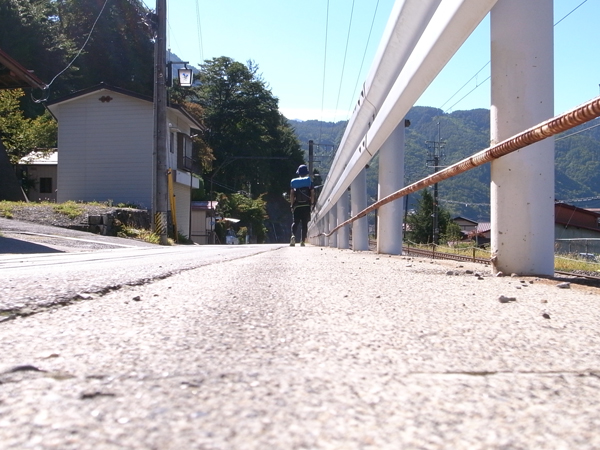
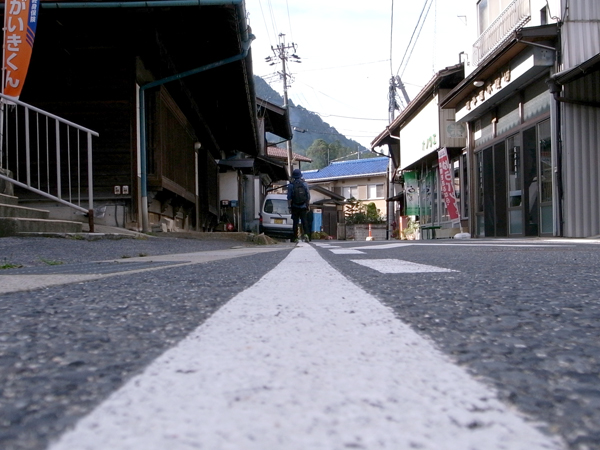
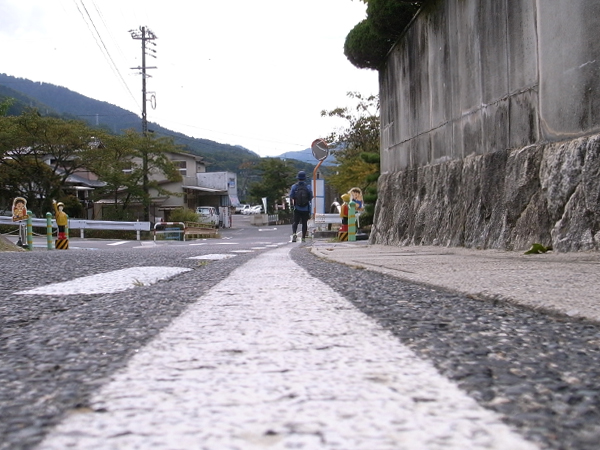
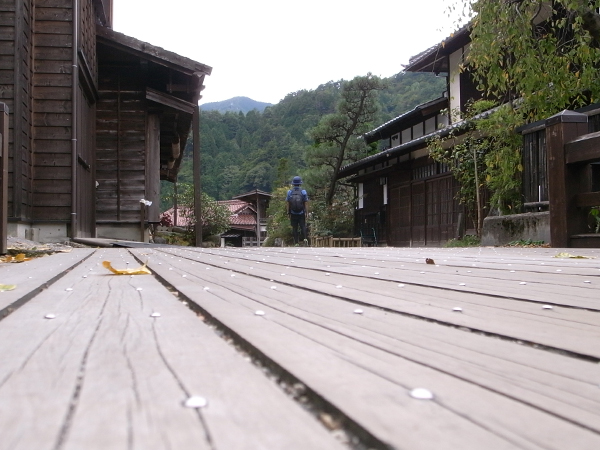
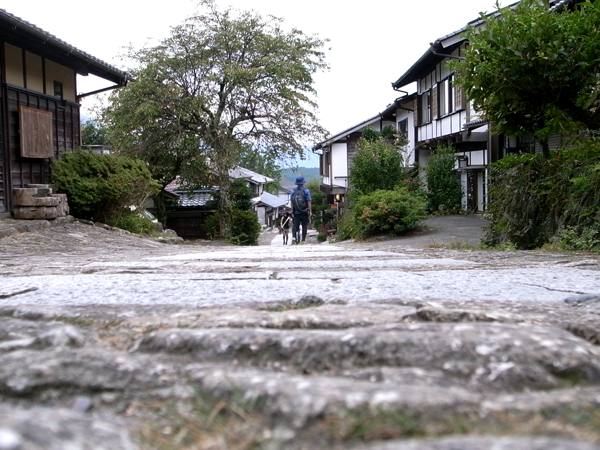
The area was first made famous by the early 20th-century writer Shimazaki Toson, who chronicled the effects of the Meiji Restoration on the valley in his landmark novel Before the Dawn. This eight-kilometer section of the Nakasendo can still be travelled along comfortably by foot, and both Tsumago-juku and Magome-juku have preserved and restored the traditional architecture.








 Tokai Dochu Hizakurige